
As an e-commerce business grows, managing supply chain operations internally quickly becomes overwhelming. Spending hours packing boxes, managing warehouse space, and negotiating carrier rates leaves very little time for product development or marketing.
This is where Third-Party Logistics (3PL) comes in.
This guide breaks down exactly what a 3PL is, how the outsourced fulfillment process works, and how to determine if your business is ready for one.
1. What Is a 3PL?
A 3PL is an external service provider that manages all or part of a business’s logistics operations. Instead of leasing your own commercial warehouse and hiring staff, you outsource these tasks to an established expert.
While 3PLs are most famous for packing online store orders, a comprehensive provider handles the entire supply chain workflow:
- Inbound Freight: Coordinating the transit of inventory from your suppliers to the warehouse.
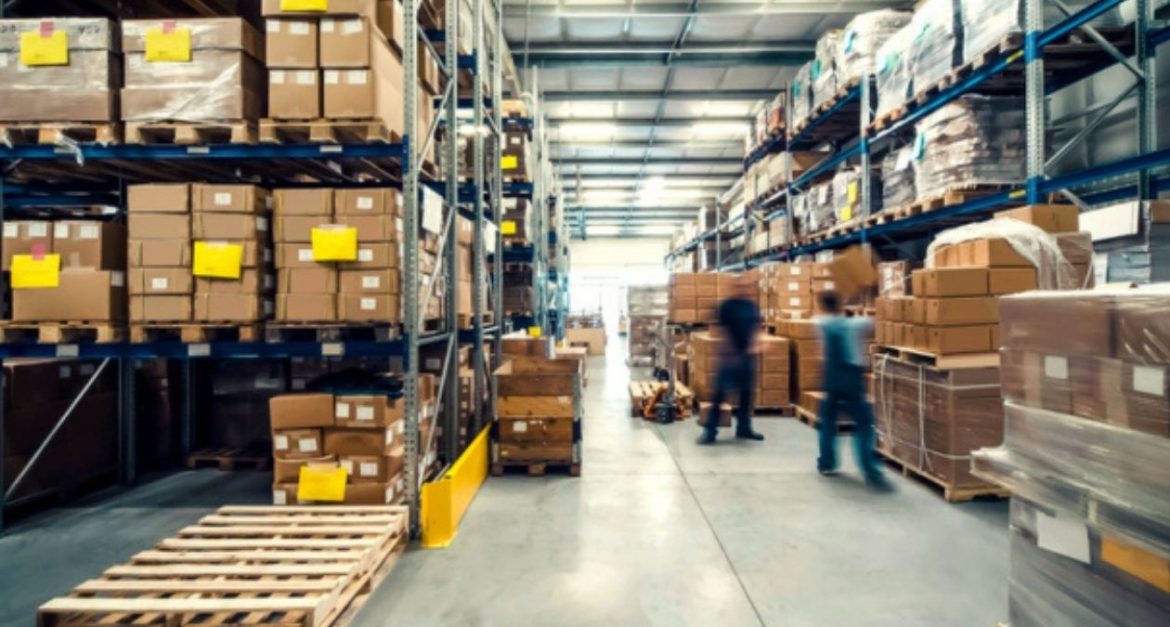
- Warehousing: Storing your merchandise safely in optimized distribution centers.
- Fulfillment: Picking, packing, and kitting individual orders as they are purchased.
- Shipping: Dispatching orders via domestic and international couriers.
- Reverse Logistics: Processing customer returns and restocking resalable items.
2. The 3PL Fulfillment Process: Step-by-Step
How does working with a 3PL look in day-to-day business operations? The process is highly automated and seamlessly integrates with modern tech stacks.
Step 1: Receiving (Inbounding)
You send your inventory in bulk directly from your factory or supplier to the 3PL’s warehouse. The warehouse staff logs the inventory, checks for damages, and shelves the items.
Step 2: Warehousing and Storage
Your products are stored in dedicated bins, shelves, or pallets. Most 3PLs use advanced Warehouse Management Systems (WMS) to track exact stock counts in real-time.
Step 3: Order Picking and Packing
When a customer buys an item on your store (e.g., Shopify, WooCommerce, Amazon), the order automatically syncs to the 3PL. A warehouse picker retrieves the items, and a packer securely boxes them using optimal packaging materials.
Step 4: Shipping and Tracking
The 3PL prints the shipping label using their deeply discounted carrier rates (with USPS, UPS, FedEx, or DHL). The order is scanned out, and the tracking information is automatically pushed back to your online storefront to notify the customer.
3. The Major Benefits of Partnering with a 3PL
Outsourcing your logistics operations to a 3PL offers distinct strategic and financial advantages:
- Massive Shipping Discounts: 3PLs ship millions of packages a year. They pass their massive bulk-volume carrier discounts directly on to you.
- Geographic Flexibility: Top 3PLs operate multiple warehouses globally. Distributing your inventory across multiple hubs allows you to ship from the warehouse closest to each buyer, cutting transit times and delivery costs.
- Fewer Fixed Overheads: You completely eliminate the fixed costs of long-term warehouse leases, specialized forklift equipment, and full-time warehouse labor.
4. When Is Your Business Ready for a 3PL?
Outsourcing logistics too early can hurt profit margins, but waiting too long can stall growth. You are likely ready for a 3PL if you meet these criteria:
- Fulfillment Bottlenecks: You spend more time packing orders than scaling sales channels.
- Running Out of Space: Your garage, office, or current storage locker is overflowing with inventory pallets.
- Spiking Shipping Costs: Your international or long-distance domestic shipping rates are pricing you out of the market.
- Seasonal Sales Spikes: You struggle to hire enough temporary staff to handle holiday order volumes