

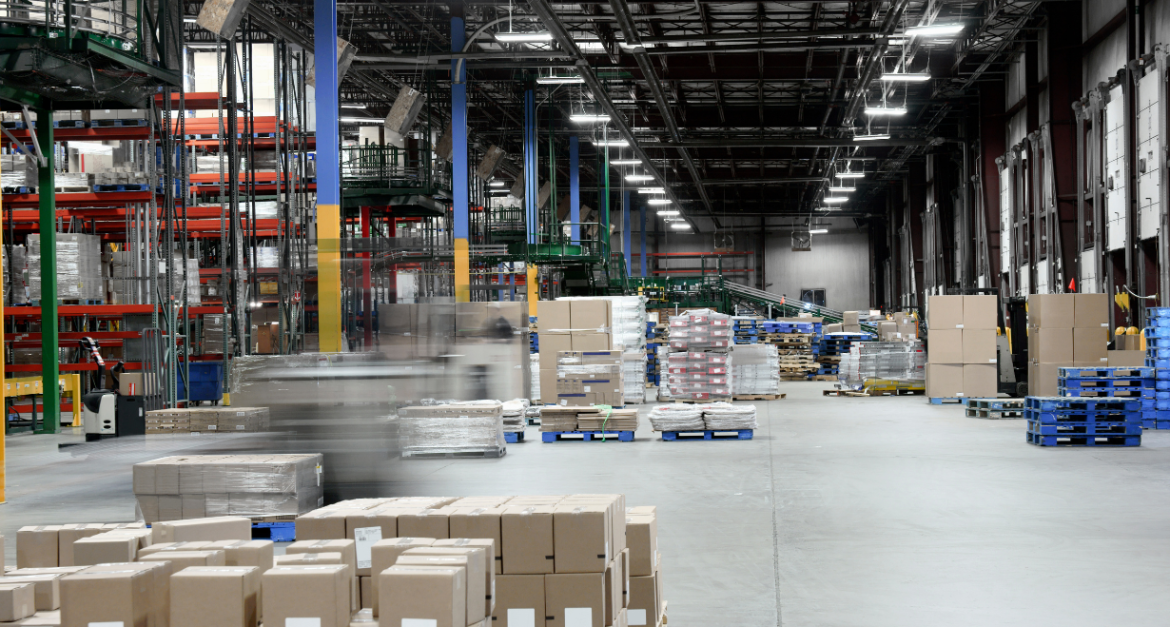
In supply chain logistics, your warehouse is the heartbeat of your operation. Yet, many businesses treat warehousing as mere storage space rather than a strategic asset. Inefficient layouts, slow picking paths, and manual data tracking cause a cascade of problems: delayed order fulfillment, inflated labor costs, and inaccurate inventory levels.
Optimizing your facility does not require investing in multi-million dollar robotics. By systematically refining your space, technology, and workflows, you can drastically boost output and improve safety.
These actionable warehouse optimization tips will transform your warehouse into a lean, high-velocity distribution hub.
1. Map Layouts with an ABC Inventory Analysis
Treating all inventory equally creates major spatial bottlenecks.
- The Strategy: Conduct an ABC analysis based on velocity. Class A items represent your top 20% of products that generate roughly 80% of your sales. Class B items move steadily, while Class C items are slow-moving or seasonal.
- The Optimization: Place Class A items at eye level, closest to your packing and shipping stations. Push Class C items to the back or higher rack tiers.
- The Benefit: This eliminates unnecessary walking distances, immediately slashing your average order picking times.
2. Maximize Vertical Cubed Space
Leasing additional warehouse space is an expensive fix for overcrowding. Instead, look upward.
- The Strategy: Audit your facility’s “cube utilization”—the total percentage of available 3D space actively used.
- The Optimization: Install taller racking systems, implement narrow-aisle configurations, or build mezzanine flooring systems over packing areas. Utilize varied beam heights so small inventory pallets do not sit on slots built for massive loads.
- The Benefit: Maximizing vertical storage lets you hold more inventory without expanding your physical building footprint.
3. Streamline the Receiving Dock Workflows
Fulfillment issues often stem from chaos at the inbound loading dock. If items are not counted, verified, and put away rapidly, the entire warehouse operates on faulty data.
- The Strategy: Establish a strict, standardized protocol for inbound shipments.
- The Optimization: Dedicate distinct, clearly marked floor spaces for incoming inspection. Implement immediate digital scanning upon cross-dock unloading rather than logging items manually at the end of the day.
- The Benefit: Fast put-away cycles prevent inbound inventory from blocking forklift lanes and ensure items are instantly available for purchase online.
4. Implement Dynamic Slotting
Products do not sell at a uniform rate year-round. A warehouse layout that works perfectly in April will likely fail during the Q4 holiday rush.
- The Strategy: Adopt dynamic slotting instead of static inventory locations.
- The Optimization: Review your sales velocities every month or quarter. Shift seasonal goods or trending products into prime picking slots ahead of demand spikes.
- The Benefit: It keeps your picking lanes constantly optimized for changing consumer habits.
5. Transition to a Digital Warehouse Management System (WMS)
Relying on paper pick-slips and manual inventory spreadsheets is a recipe for human error and lost productivity.
- The Strategy: Integrate a modern, cloud-based Warehouse Management System (WMS).
- The Optimization: Connect your WMS directly to your e-commerce storefronts and ERP systems. Equip your warehouse staff with wearable RF barcode scanners.
- The Benefit: A WMS automatically calculates the most efficient walking routes for pickers, tracks stock counts in real time, and completely eliminates paper waste.
6. Choose the Right Picking Methodology
Having pickers wander the aisles retrieving one order at a time is highly inefficient.
- The Strategy: Transition to an advanced picking model that matches your order volume:
- Batch Picking: A picker collects items for multiple orders simultaneously in a single trip.
- Zone Picking: The warehouse is split into zones. Pickers remain in their assigned zones and pass orders down a conveyor belt line (like an assembly line).
- Wave Picking: Combining batch and zone picking, aligning fulfillment waves with specific carrier pickup times.
7. Standardize and Optimize Packing Stations
Packing stations often become a massive operational bottleneck during peak shipping hours.
- The Strategy: Apply ergonomic and lean manufacturing principles to your packing tables.
- The Optimization: Ensure every station is stocked identical to its neighbor. Position tape dispensers, various box sizes, bubble wrap, and shipping label printers within arm’s reach of the packer.
- The Benefit: This minimizes wasted physical motion, prevents packer fatigue, and increases packages processed per hour.
8. Prioritize Cross-Docking for Backorders
Moving items from an inbound truck onto a warehouse rack, only to pick them off the rack an hour later, wastes valuable time and labor.
- The Strategy: Use a logistics technique called cross-docking.
- The Optimization: Configure your software to flag high-priority backorders. When those specific items arrive at the receiving dock, route them immediately to the packing station, completely bypassing warehouse storage racks.
- The Benefit: This dramatically reduces transit times for eager customers and cuts down on double-handling labor.
9. Create Visual Visual Anchors (5S Lean Methodology)
A messy, unorganized warehouse floor is a breeding ground for accidents and search delays.
- The Strategy: Deploy the Japanese 5S system: Sort, Set in order, Shine, Standardize, and Sustain.
- The Optimization: Use bright industrial floor tape and signs to color-code your paths. Red tape can mark hazardous areas, yellow can outline forklift paths, and green can designate pedestrian walking zones.
- The Benefit: Visual cues allow new employees to navigate the floor safely and efficiently with minimal training.
10. Run a Continuous Feedback Loop with Floor Staff
The best optimization insights do not come from a corporate spreadsheet; they come from the workers walking the floor daily.
- The Strategy: Establish a formal channel for employee feedback.
- The Optimization: Hold brief 5-minute morning huddles. Ask your pickers and packers where they encounter layout blockages, safety hazards, or system glitches.
- The Benefit: Implementing small, ground-up adjustments fosters a culture of safety, improves employee retention, and fixes hidden inefficiencies before they scale.