


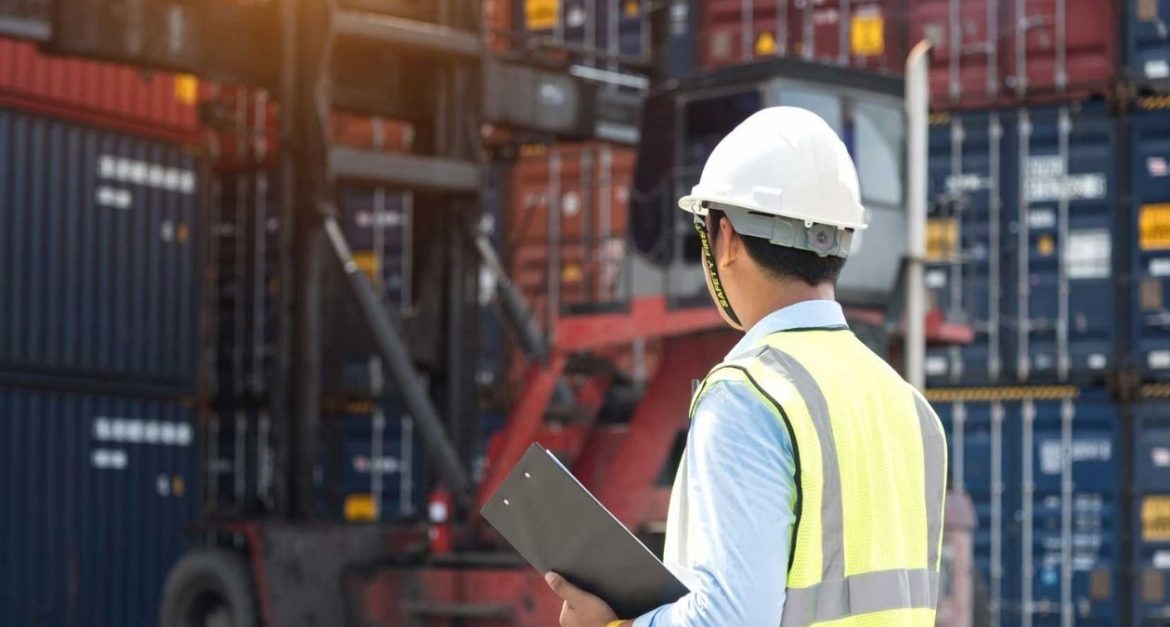
A freight forwarder acts as a travel agent for your cargo. They do not actually move the goods themselves, but they organize the entire journey from your warehouse to your customer’s doorstep using their global network of carriers.
For businesses expanding into international trade, shipping goods across borders can be overwhelming. Freight forwarding simplifies this process by handling the logistics, paperwork, and regulations required to move products smoothly from one country to another.
What Does a Freight Forwarder Do?
Freight forwarders manage the complex steps of international shipping so you can focus on running your business. Their primary responsibilities include:
- Negotiating Rates: They use their large volume of shipments to get better prices from airlines, shipping lines, and trucking companies.
- Booking Cargo Space: They secure the necessary spots on ships, airplanes, or trains for your inventory.
- Handling Paperwork: They manage critical legal forms like Bills of Lading, commercial invoices, and packing lists.
- Managing Customs: They work with customs brokers to ensure your goods comply with local laws and pass borders without delays.
- Arranging Insurance: They help protect your investment by setting up cargo insurance in case of damage or loss.
The 4 Stages of the Freight Forwarding Process
A standard international shipment moves through four main phases under a forwarder’s watch:
- Pick-Up and Export: The forwarder arranges for a truck to collect the goods from your facility and bring them to a local warehouse for inspection.
- Customs Clearance: The forwarder reviews your paperwork to make sure your goods legally clear the customs checkpoint of the departing country.
- The Main Journey: Your cargo travels to the destination country via air freight, ocean freight, or overland transport.
- Import Clearance and Delivery: Once the goods arrive in the destination country, they pass through import customs and a local carrier delivers them to the final buyer.
Why Should Your Business Use a Freight Forwarder?
While you can technically book shipping on your own, working with a specialist offers major advantages:
- Cost Savings: Forwarders combine small shipments from different companies into one large container, which lowers the cost for everyone.
- Expertise: They understand changing global trade laws, tariffs, and port regulations, helping you avoid expensive fines.
- Problem Solving: If a port shuts down or a flight gets canceled, a forwarder can quickly find a backup route to keep your shipment on schedule.
Summary: The Ultimate Logistics Partner
Think of a freight forwarder as your logistics partner. By handling the stress of global shipping, customs laws, and carrier networks, they turn a complicated international puzzle into a seamless delivery process.
If you want to dive deeper, let me know if you would like me to:
- List the top questions to ask when interviewing a freight forwarder.
- Explain the difference between a freight forwarder and a customs broker.
- Break down how they calculate shipping fees and surcharges.