


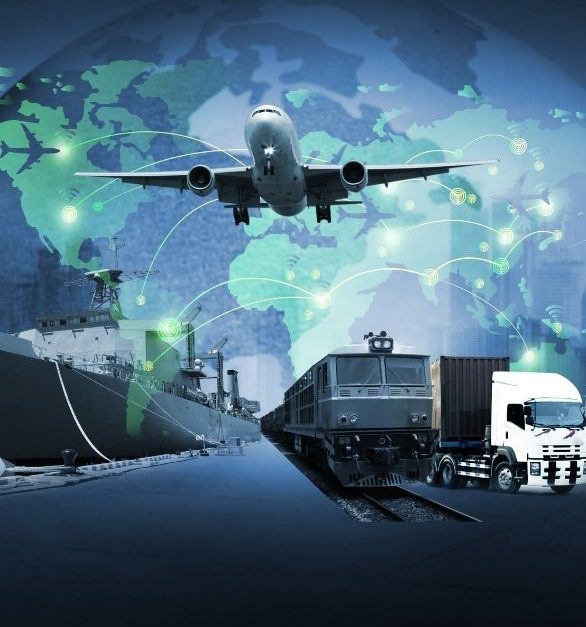
Choosing between air freight and ocean freight comes down to a balance between speed and budget. Air freight is best for fast, time-sensitive deliveries. Ocean freight is the superior choice for large, heavy shipments where cost savings are more important than speed.
When managing a global supply chain, selecting the right shipping method directly impacts your bottom line and customer satisfaction. Here is a breakdown of how the two methods compare across key categories.
1. Speed and Transit Times
- Air Freight: This is the fastest shipping option available. Overseas shipments typically take between 1 to 5 days to reach their final destination.
- Ocean Freight: This method is much slower. Moving goods by sea can take anywhere from 20 to 60 days depending on the distance and port congestion.
2. Cost and Pricing Structure
- Air Freight: Airlines charge based on “chargeable weight,” which combines the size and weight of the cargo. This makes air shipping expensive, especially for heavy items.
- Ocean Freight: Cargo ships charge by the container. Standard sizes are 20-foot and 40-foot containers. If your shipment is smaller, you can pay for a partial container (Less than Container Load, or LCL), making sea freight highly cost-effective for bulk goods.
3. Reliability and Schedule Consistency
- Air Freight: Airlines keep very strict schedules. Even if a flight is delayed, the next one is usually only a few hours away, making it highly reliable.
- Ocean Freight: Ships are prone to delays caused by bad weather, port customs bottlenecks, and changing schedules. A missed cutoff date can delay a shipment by an entire week or more.
4. Environmental Impact
- Air Freight: Airplanes emit a significantly higher amount of carbon dioxide per kilometer compared to cargo ships, making it the less eco-friendly choice.
- Ocean Freight: Large cargo vessels are highly efficient at moving massive amounts of goods simultaneously, resulting in a much lower carbon footprint per item.
Final Verdict: Which Should You Choose?
Choose Air Freight if:
- Your goods are perishable (like food or flowers) or highly time-sensitive.
- Your items are high-value and low-weight (like electronics or jewelry).
- You need tight security and reliable tracking.
Choose Ocean Freight if:
- You are moving large volumes of inventory or bulky, heavy items.
- You have a flexible timeline and can plan months in advance.
- Your primary goal is to minimize shipping expenses.
To help tailor this to your needs, let me know if you would like me to:
- Calculate a cost comparison for a specific shipment weight.
- Detail the customs clearance differences between airports and seaports.
- Explain how Incoterms (international shipping rules) apply to both methods.